



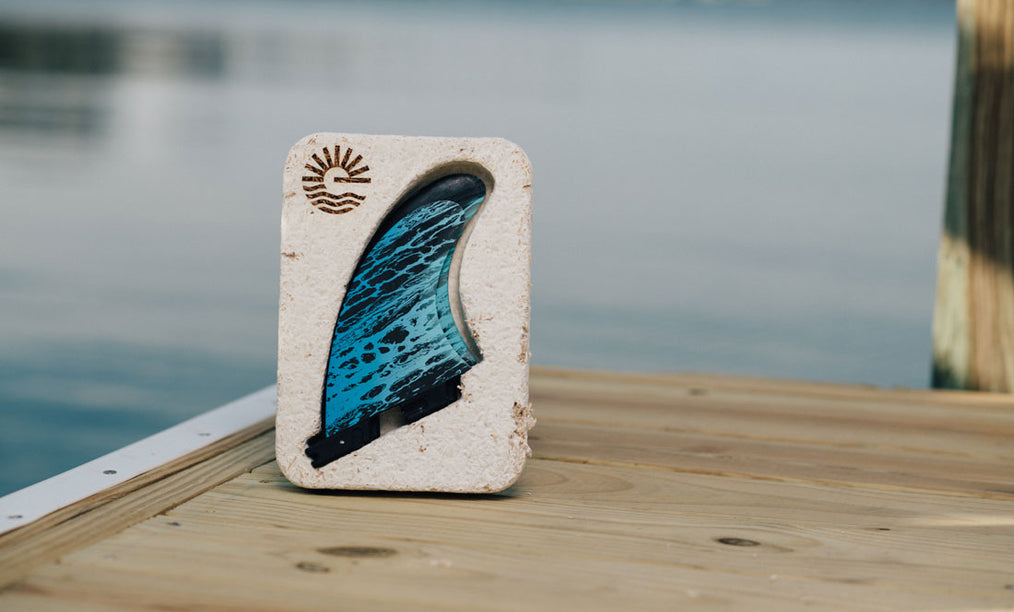
We recently had a chance to talk with David St. John, Co‑Founder and CTO of Tempest, a smart home weather system that delivers hyperlocal, AI-powered forecasts to power smart homes, protect gardens, and help people plan with confidence around the weather.
We talked about how his weather‑technology company rebuilt its packaging with a focus on sustainability, and why replacing plastic foam with Cruz Foam was about far more than switching materials.
__________
Q (A New Earth Project): Tempest collects and delivers weather data, but your mission seems to stretch beyond forecasting. How do you describe the purpose behind what you do?
A. (David with Tempest): We believe better weather data leads to a better planet. Every Tempest device helps improve forecasting, which benefits communities, businesses, and the environment. But if we’re serious about building tools that support a healthier world, we have to look beyond the hardware. We have to consider how it’s made, how it’s shipped, and what happens to the materials around it. Sustainability has to touch every part of the product.
__________
Q: What pushed you to rethink Tempest’s packaging from an environmental perspective?
David: It started with the realization that our devices are designed to last a decade or more, so our packaging shouldn’t last a lifetime. Earlier packaging versions were either not protective enough or relied on expanded polypropylene (EPP) foam which performs well, but is plastic, bulky, and has a long life-span in the landfill.
For Tempest, sustainability is part of our identity. If we’re gathering data to help the planet, our packaging can’t contribute to the problem we’re trying to solve.
__________
Q: What does a device like Tempest need from a packaging standpoint, and why is that difficult to solve sustainably?
David: A device like ours gets exposed to extreme weather in the field, but the shipping journey can be rougher than any storm. Boxes get dropped, crushed, thrown, you name it. So we needed a material that could protect sensitive electronics through the shipping gauntlet but still return to the earth or be recycled at the end of its packaging life.
Those two requirements rarely go together. Most high‑performance protection materials are plastic‑based. Most compostable materials don’t offer enough cushioning, consistency, or durability. It took a long search to find the right balance.

__________
Q: And that search led you to Cruz Foam. What stood out about it?
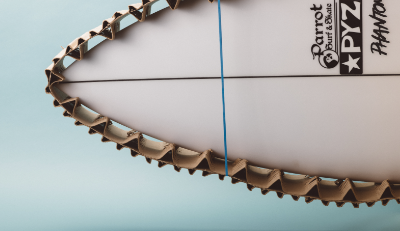
David: Cruz Foam checked every box we’d been struggling with. It cushions like a plastic foam but is made from upcycled food waste. It’s compostable. It’s nontoxic. And it fits perfectly with where we want to move as a company.
The moment we tested it, we knew we’d found something that held up technically and aligned with our environmental values.
__________
Q: Once you found the right material, how did you bring the packaging solution to life?
David: That’s where the partnership with Atlantic Packaging really took off. Cruz Foam was the foundation, but transforming it into a fully engineered protection system required a lot of iteration. Atlantic’s team helped us explore designs, experiment with layering, and create a block‑and‑brace structure that held the Tempest and its accessories perfectly in place.
There was a lot of trial and error, and a lot of fun discoveries.

__________
Q: What was one of those fun discoveries?
David: The adhesive challenge. Early prototypes used glue, but we didn’t want anything that interfered with compostability. The Atlantic engineers were testing alternative adhesives when one of them tried something unconventional: warm water.
And it worked.
Cruz Foam naturally bonds under the right moisture conditions. No glue. No chemicals. Just water. It was one of those elegant, sustainability‑wins moments that made us smile and proved this material could really do what we hoped.

__________
Q: What environmental benefits came from moving to a domestic, compostable packaging system?
David: A lot. For starters, we eliminated plastic foam entirely. We also shifted production from overseas to the U.S., which slashed transportation emissions and reduced lead times. And we right‑sized the packaging to reduce overall material use.
The result is a smaller carbon footprint, less waste in the supply chain, and packaging that consumers can feel good about disposing of responsibly.
__________
Q: What does the final packaging look like today?
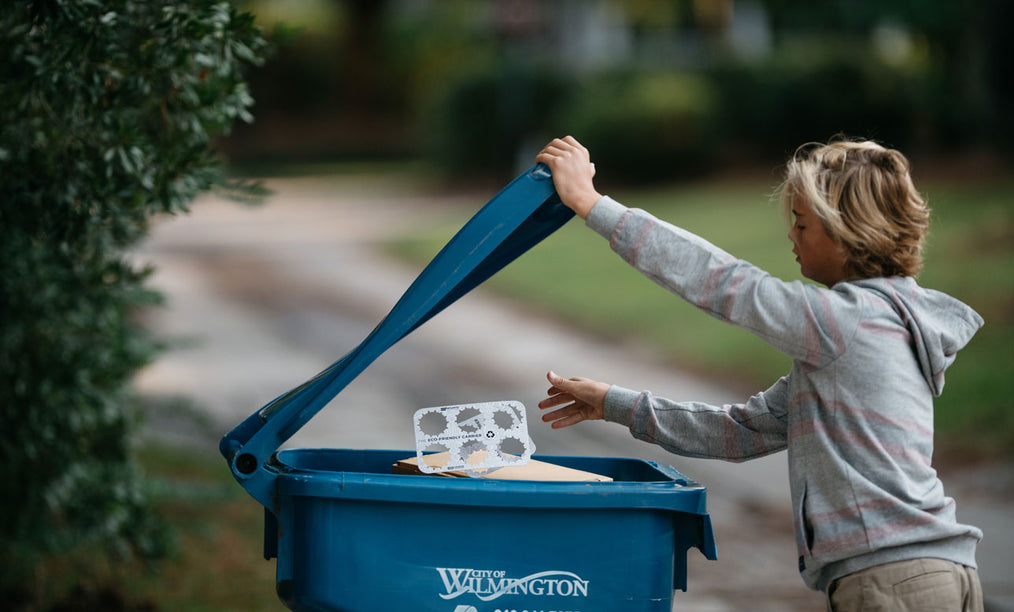
David: It’s a fully compostable, plastic‑free system. The outer corrugated box is curbside recyclable, and the Cruz Foam interior protects the device without any synthetic adhesives. The unboxing experience feels premium but still reflects our values. It’s protective, intentional, and built to return to the earth.

__________
Q: How does this packaging redesign connect back to Tempest’s larger environmental mission?
David: Our devices generate weather data that helps communities respond to climate challenges. But we don’t want our packaging to create problems that future generations have to clean up. This redesign is part of our commitment to do better, to consider the full life cycle of our products and reduce our footprint wherever we can.
We started with our flagship product, and now we’re looking across everything we make. If we can remove plastic, reduce waste, and design for circularity, we will.
__________
Q: What has this partnership with Atlantic Packaging and Cruz Foam shown you?
David: Our partnership shows that sustainability thrives when teams work together. This wasn’t a transaction. It was a collaboration grounded in shared values. Cruz Foam brought material innovation. Atlantic brought design and engineering expertise. We brought the challenge and the mission. Together, we created something none of us could have done alone.
And the planet is better for it.
__________
Learn more about our sustainable packaging solutions.
Order your own Tempest Weather System shipped right to your home in their new sustainable packaging here: shop.tempest.earth