


When we left the Goose BIG MODERN! Experience in SoHo, I found myself thinking about something Wes Carter, Atlantic Packaging’s President and founder of A New Earth Project, mentioned while visiting the event. He reflected that one of our greatest challenges isn't a lack of creativity or innovation. It's the way we've learned to separate things that were never meant to be separate. Art on one side. Industry on the other. Business over here. Purpose over there. Then we wonder why so much of what we create feels disconnected from the world we're trying to build.

"No healing comes from that," he said. "The healing happens when we all acknowledge that ultimately we all want health. We all want to be inspired. We all want to be enamored with art and music."
If you look at it from the outside, a packaging company partnering with a band during two sold-out shows at Madison Square Garden might seem like an unexpected pairing. But that's only true if you believe music, art, business, and sustainability belong in separate conversations.
But we bring the question: what if they are meant to be together?
At A New Earth Project, we often talk about music, sports, manufacturing, packaging, and design as different expressions of the same human spirit. They may look different on the surface, but each is an act of creativity, each shapes culture, and each has the potential to influence how we care for one another and for the world around us.
That perspective changes how you think about collaboration. Instead of asking how sustainability fits into music, you begin asking how music, art, business, and environmental stewardship can work together in service of life. Suddenly, a concert becomes more than entertainment. A retail space becomes more than a place to buy merchandise. Even packaging becomes more than something designed to protect a product on its way home.
During the three days in New York at the BIG MODERN! Pop-Up Shop experience, thousands of Goose fans waited patiently in line because they cared deeply about what was happening inside that space. They came for the music, the artwork, the vinyl, the apparel, and the opportunity to be part of a shared experience. We weren't there to interrupt that experience with a lesson about sustainability. We were there to make sure the materials reflected the same care that had gone into creating everything else.
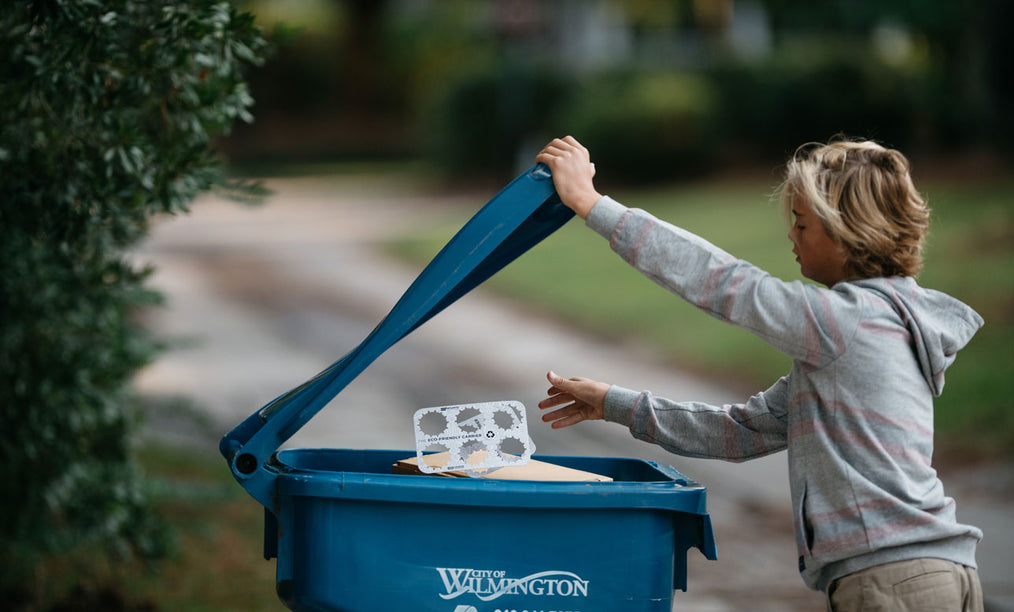
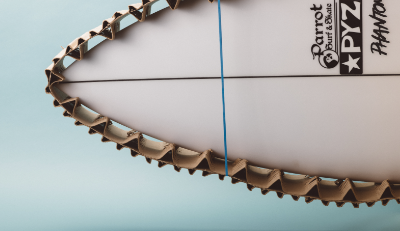
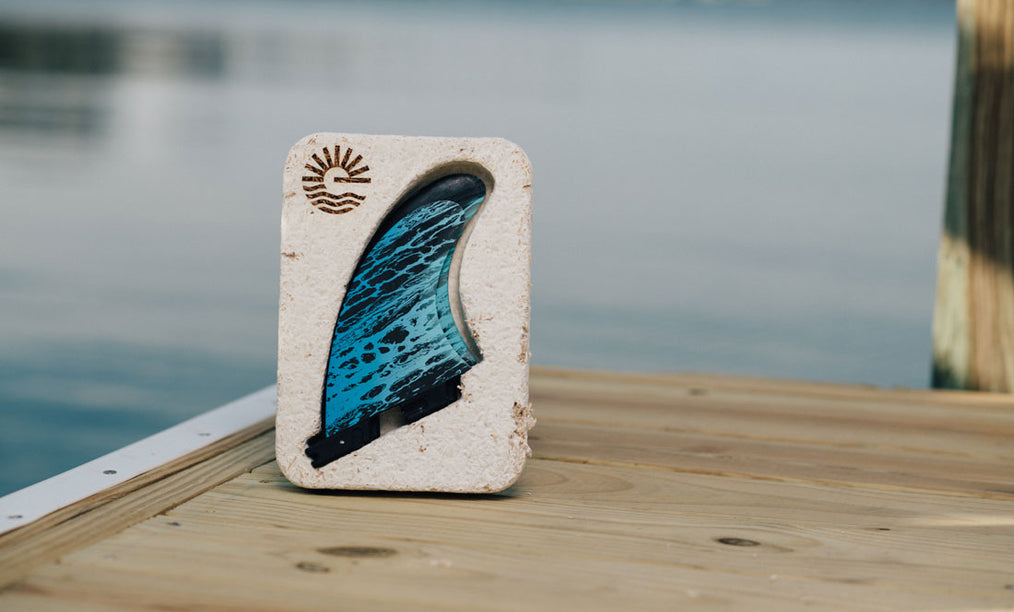
The SWAY Polybags, the fiber-based packaging, and the thoughtful material choices weren't the point of the collaboration. They were the natural outcome of it. If we believe beautiful art deserves thoughtful presentation, if we believe craftsmanship matters, and if we believe the experiences we create should reflect the values we hold, then the materials we choose become part of the story rather than an afterthought.
For a long time, we've treated sustainability as if it belongs in a category by itself, something reserved for environmental reports, corporate initiatives, or policy conversations. But culture has always been an essential part of board impact.
Music shapes culture. Art shapes culture. Design shapes culture. Collective experience shapes culture. And if all of that's true, then sustainability doesn't belong outside of culture. It belongs right in the middle of it.
That's what made this collaboration feel so meaningful. It wasn't simply about introducing a different kind of packaging into a pop-up shop. It was about demonstrating that creativity and care go together. When we stop separating how we create from how we care, entirely new possibilities begin to emerge.
Maybe that's what healing looks like. Not asking art to become industry, or industry to become art, but recognizing that both have always been capable of serving something much bigger than themselves, together.