


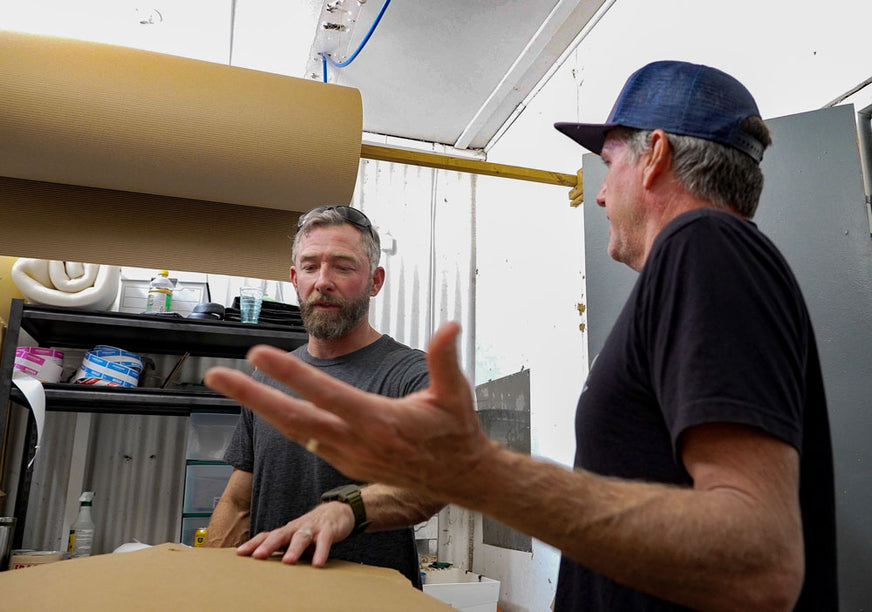
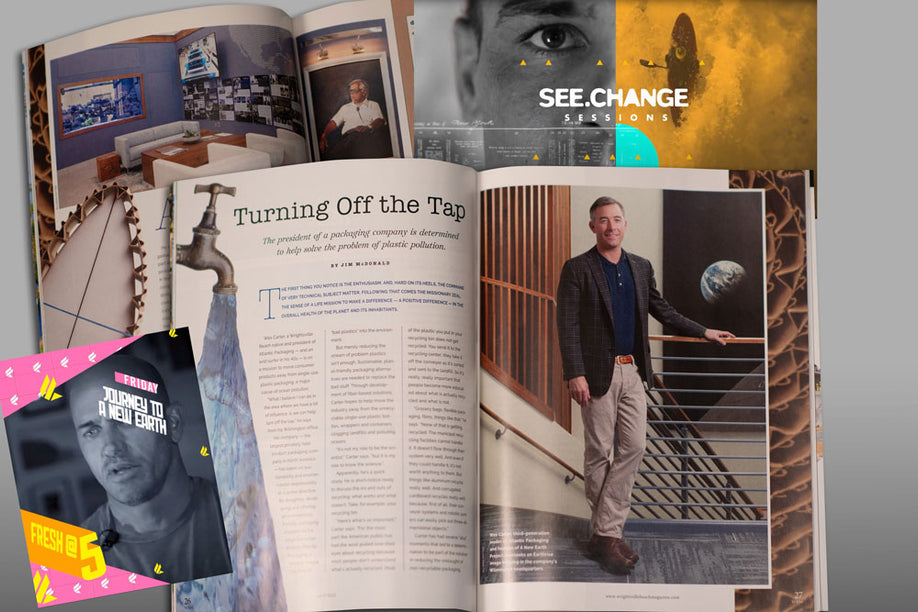

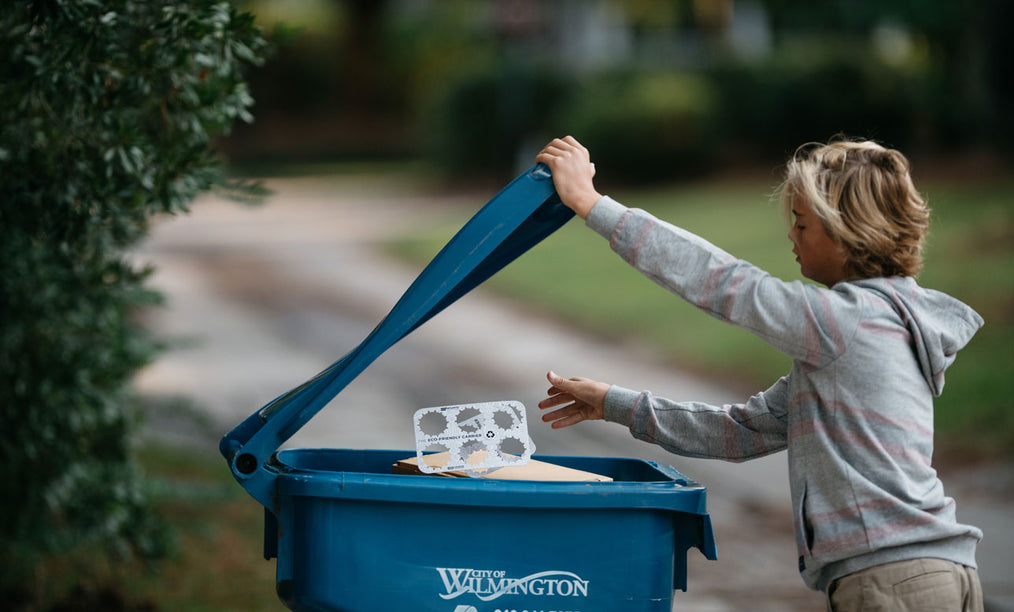


For the second year, A New Earth Project and Atlantic Packaging helped lead the PACKAGING MATTERS track at See Change Sessions, bringing together leaders from across the packaging value chain for two days of candid conversation about where sustainable packaging stands today and what it will take to move forward.
This year, the conversation felt different.

Many of the ambitions the industry has been talking about for years are becoming operational realities. Extended Producer Responsibility (EPR) laws are taking effect. Brands are confronting the complexities of compliance. New materials are moving from prototypes into commercial applications. And emerging technologies are changing how packaging is designed, tested, manufactured, and tracked.
Across 11 sessions, one question kept coming into focus:
How do we move from promising ideas to meaningful change at scale?

From EPR Policy to Packaging Decisions
EPR was one of the clearest examples of how quickly the packaging landscape is changing.
With seven states now operating under EPR laws, the industry has moved from preparing for regulation to navigating active compliance. The first major multistate reporting deadlines in 2026 exposed significant packaging data gaps, while differences among state programs are creating new challenges for brands.
A candid conversation between legislators and brand leaders, What I Wish You Knew, revealed the complexity on both sides. Legislators shared the pressures driving EPR policy, including visible packaging waste and the cost of waste management. Brands described packaging development cycles that can stretch two to four years, small teams responsible for thousands of products, and reporting requirements that frequently request similar information using different definitions.

This need for greater alignment carried into the introduction of the Packaging Standards Compass, an exploratory effort being undertaken by Circle and SCS Standards that is focused on harmonizing major retailers’ packaging guidelines and standards with the requirements of EPR laws being enacted around the world.
The larger takeaway: policy is increasingly part of the packaging design process. Better outcomes will require legislators, brands, retailers, suppliers, and recyclers to understand each other's realities and work toward greater alignment.

Finding the Right Solution for the Application
Some of the most encouraging conversations centered on alternative materials already moving into real-world applications.
Fiber-based packaging solutions demonstrated how brands and suppliers are replacing plastic across retail, food service, flexible packaging, and other categories. The examples also reinforced an important lesson: a successful material transition starts with understanding what the package needs to do.
Moisture protection, oxygen barriers, durability, automation, transportation, customer experience, and end-of-life all matter. Sometimes the answer is a new material. Other times, the opportunity is to rethink the package entirely.

That mindset continued during First Look: Packaging Innovation in Action, where technologies ranging from closed-loop PCR stretch film and seaweed-based Sway film to FibreStrap fiber-based zip ties, Fishbone paperboard multipack carriers, and hybrid fiber trays demonstrated just how many different paths are emerging.
A more resilient packaging system will likely depend on a portfolio of solutions matched thoughtfully to the applications and places where they work best.
Design, Test, Learn, Repeat
Building on this idea, Jesse Franco from Dr. Bronner's shared their work with Atlantic Packaging on Amazon's Ships in Product Packaging (SIPP) program, where testing is integrated throughout the design process rather than treated as a final checkpoint. The approach has supported pilots involving paper void fill, compostable protective packaging, Sway seaweed-based polybags, and Fishbone paperboard connectors.
Small pilots can give teams real-world performance data and build confidence before a larger transition. They also create room to learn, adjust, and try again.

Sustainability Is a Team Sport
The organizational challenges of implementing changes in packaging was central to a conversation with Levi Wyatt of Yakima Chief Hops and Cory Connors, host of the Sustainable Packaging Podcast, who shared how the company's sustainability program grew by listening to employees across facilities and connecting environmental goals with business value.
Instead of arriving with a predetermined list of directives, he spent time with the people doing the work. Those conversations surfaced opportunities around corrugated reuse, water, grants, and other operational improvements.
It reinforced a theme that surfaced throughout the track: the people who can advance sustainability sit across the organization.
Operations understands processes. Finance understands investment. Sales hears directly from customers. Engineers understand performance. Procurement understands supply. Sustainability teams can help connect those perspectives around a shared objective.
Meaningful change depends on bringing those people into the work.

New Technology, Better Information
Technology and data also emerged as increasingly important pieces of the packaging transition.
A conversation about AI hosted by Matt Saunders of New Earth Ventures focused on practical applications across demand forecasting, machine vision, predictive maintenance, production diagnostics, and material development. The advice was refreshingly straightforward: start with the problem you are trying to solve, then determine which technology can help.
Better data matters well beyond AI. EPR reporting has revealed gaps in packaging specifications and material data. Recycled-content requirements are raising new questions about how materials are tracked and accounted for. A technical discussion of chemical and advanced recycling underscored the importance of understanding the differences among technologies and communicating recycled-content claims accurately.
Across each of these conversations, the underlying need was similar: better information creates better decisions.

The Power of Story
The final PACKAGING MATTERS session zoomed out from materials, regulations, and technology to consider how people feel about the environmental challenges in front of us.
An interactive workshop explored how storytelling and culture-centered design might help move Gen Z from environmental anxiety or apathy toward a greater sense of agency.
Participants were asked to consider packaging from two perspectives: that packaging had reached the end of its story, and that packaging could be at the beginning of a more sustainable one.

It was a fitting way to end two days of conversation.
Packaging has contributed to enormous environmental challenges. It also sits at the intersection of material science, design, infrastructure, policy, business, and human behavior, creating opportunities to rethink how it works.
People need to understand the challenges ahead. They also need to see where progress is happening and how they can participate in it.
From Vision to Practice
While there is still plenty of work ahead, we've seen that progress at scale is built through individual decisions: a specification changed, a pilot approved, a standard aligned, a new material tested, better data collected, or a new relationship formed across the value chain.
Taken together, those decisions move us closer to a packaging system that works better for people and the planet.
And once again, PACKAGING MATTERS reminded us that #WeDoThisTogether.
 A New Earth Project Advocate, Ron Artis II, setting the vibe for See Change Sessions 2026